Table of contents
Curious about the new advancements in facial rejuvenation? Discover how the deep SMAS technique is transforming the landscape of face and neck lifts for more natural and lasting results. This article explores the innovations, benefits, and why this method is becoming the go-to choice for those seeking comprehensive facial enhancement. Read on to learn how expertise and science meet for superior outcomes.
Understanding the deep SMAS layer
The Superficial Musculo-Aponeurotic System, commonly referred to as the SMAS, is a fibrous layer situated beneath the skin and subcutaneous fat but above the facial muscles. This intricate component of facial anatomy envelops the face and neck, playing a pivotal role in maintaining youthful contours and supporting the overlying tissues. Targeting the deep SMAS layer during surgical procedures is vital, as it enables more effective repositioning and tightening of lax facial structures, unlike traditional facelifts that often focus solely on the skin or superficial tissues. Engaging the deep SMAS layer allows for a more natural elevation and long-lasting support, directly impacting the longevity and quality of face and neck rejuvenation outcomes.
A board-certified facial plastic surgeon highlights that modern facelift innovations, such as deep SMAS plication, provide enhanced surgical precision by addressing the underlying support system of the face. This advanced method contrasts with earlier approaches that might result in an unnatural or short-lived effect due to their limited engagement with deeper tissues. By manipulating and securing the deep SMAS layer, surgeons can achieve superior lift and definition while minimizing tension on the skin, leading to more durable and aesthetically pleasing results. The adoption of deep SMAS techniques marks a pivotal shift in face and neck rejuvenation strategies, offering patients natural contours and sustained improvements that align with the dynamic nature of facial anatomy.
Advantages over traditional lifts
The deep SMAS technique, described by a leading aesthetic surgery specialist, distinguishes itself from older facelift methods through the advanced process of deep plane dissection. Unlike conventional lifts that primarily tighten the superficial skin layer, the deep plane facelift targets both muscle and connective tissue beneath the surface. This approach creates a natural look facelift by repositioning underlying structures, which leads to smoother facial contours and avoids the pulled or windblown appearance often associated with outdated techniques. The adjustment of deeper tissues also promotes a more harmonious restoration of youthful features, which enhances patient satisfaction and confidence in facelift results.
Deep plane dissection not only improves facial contouring but also delivers a long-lasting facelift, as the deeper structural changes resist the effects of gravity for an extended period. Patients report that minimal scarring is a significant benefit, as incisions are made in discreet locations and the skin is not excessively stretched. In sum, the recovery time is generally shorter, with fewer complications like skin irregularities or prolonged swelling. Collectively, these advantages—superior natural results, greater durability, and minimal scarring—demonstrate why the deep plane facelift has become a preferred choice for those seeking rejuvenation of the face and neck.
Step-by-step procedural overview
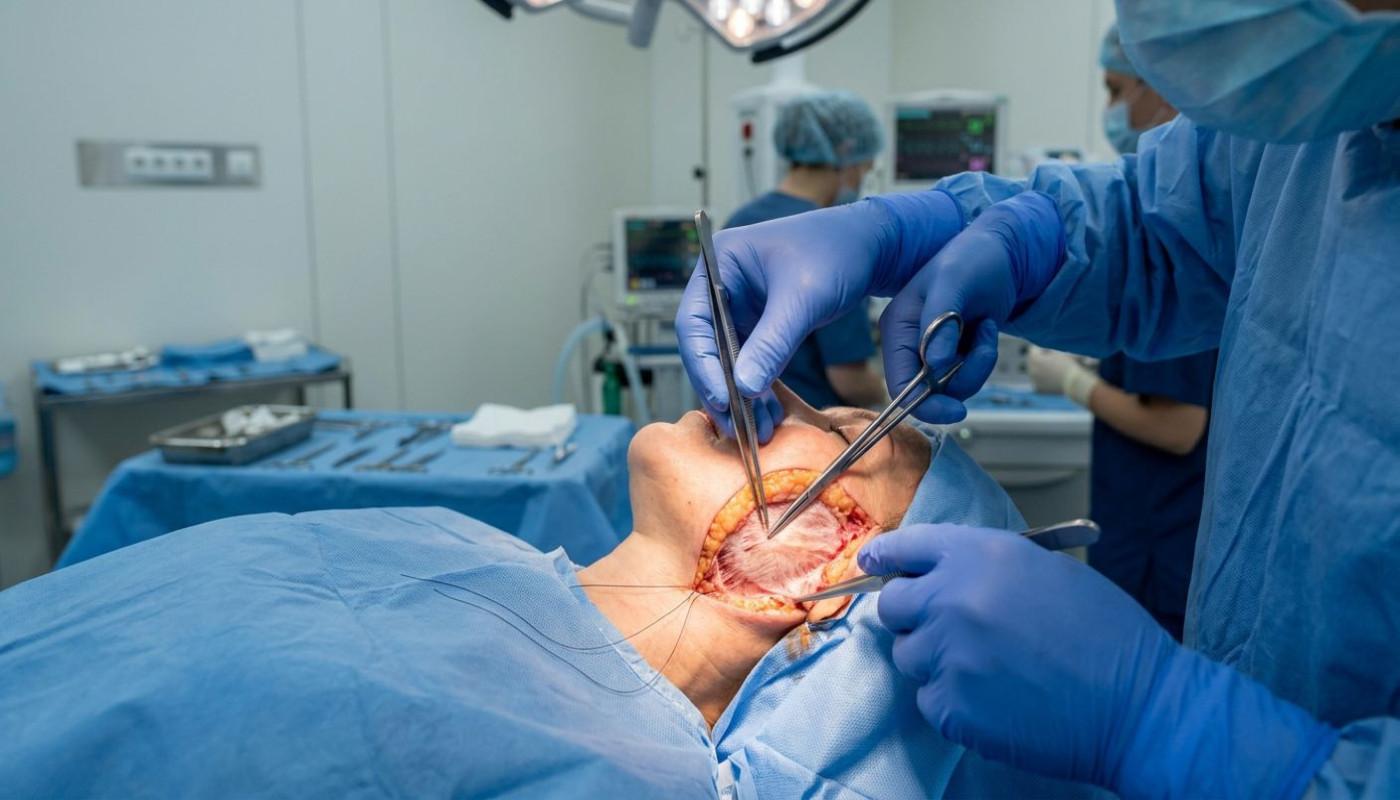
A facelift procedure using the deep SMAS facelift technique begins with a thorough patient assessment, focusing on facial anatomy, skin quality, and individual goals. During consultation and planning, precise mapping of the facial tissue layers is performed, enabling tailored approaches for each patient. The surgical technique itself distinguishes this method, as it involves a meticulous sub-SMAS dissection. This allows for the lifting and repositioning of the deeper musculoaponeurotic system, rather than merely tightening the skin, resulting in a more natural and longer-lasting outcome. Customized vectors of lift are selected according to the patient’s facial structure, addressing both the midface and neck region with high precision.
Throughout the deep SMAS facelift, attention to safety is maintained by careful identification of critical anatomical landmarks and preservation of facial nerve branches. After the sub-SMAS dissection and repositioning are completed, excess skin is conservatively removed, and incisions are closed with fine sutures to minimize scarring. Post-operatively, patients receive individualized care instructions to support optimal healing and minimize complications during the recovery process. This approach not only enhances rejuvenation results but also reduces the risk of an over-pulled or artificial look, solidifying the deep SMAS facelift as a superior advancement in facial rejuvenation surgery.
Ideal candidates for deep SMAS lifts
Facelift candidacy relies heavily on understanding the unique interplay between skin laxity, age, and facial anatomy. Individuals with moderate to severe skin sagging, visible jowl formation, and diminished jawline definition tend to derive the most benefit from deep SMAS facelift candidates strategies. Adults typically over the age of 40 with preserved skin elasticity and well-defined bone structure see superior results, as the technique prioritizes tissue repositioning beyond just superficial tightening. Those experiencing advanced facial aging solutions—marked by descent of deeper muscular layers—are prime candidates, since the deep SMAS approach specifically addresses these foundational changes rather than merely camouflaging surface irregularities.
Customized facelift planning is vital for optimizing outcomes. During consultation, board-certified facial surgeons thoroughly assess factors such as skin thickness, existing facial volume, and previous surgical history to determine the suitability of the deep SMAS method. A comprehensive examination allows the surgeon to individualize the tissue repositioning plan—balancing patient safety with the pursuit of natural-looking results. This level of customization ensures the best facelift technique is matched to each patient's unique needs, maximizing both aesthetic satisfaction and procedural longevity.
Expectation management is a collaborative process, involving detailed discussions about achievable improvements and recovery timelines. Realistic goals are established to ensure patients understand both the possibilities and limitations of facial rejuvenation. The best outcomes are seen when candidates are committed to preoperative preparation and postoperative care. Clinics with a reputation for advanced techniques and trusted results, such as drbasharbizrah.com, exemplify the high standards essential for selecting the right patients and delivering successful deep SMAS facelift experiences.
Future of facial rejuvenation
The future of facelift procedures is rapidly evolving, with advanced facelift techniques like the deep SMAS method continually refined through ongoing facelift research. Emerging trends indicate that surgeons are embracing a multimodal approach, blending surgical precision with non-surgical treatments such as energy-based skin tightening, dermal fillers, and regenerative therapies. This integration enhances both the effectiveness and longevity of facial rejuvenation, ensuring results that appear both natural and enduring. As innovative facelift solutions are developed, patient-specific approaches are gaining traction, customizing procedures to unique anatomical needs and aesthetic goals. The future of facelift will likely prioritize less invasive techniques, quicker recovery times, and minimal scarring, aligning with patient demand for subtlety and safety. Scientific advancements suggest that the deep SMAS method will remain at the forefront of facial rejuvenation trends, with continuous research focusing on optimizing tissue manipulation and healing processes to further elevate standards in face and neck lifting procedures.
On the same subject

Exploring The Impact Of Strategic Partnerships In The Fragrance Industry

Decoding the Science Behind Anti-Aging Skin Treatments
